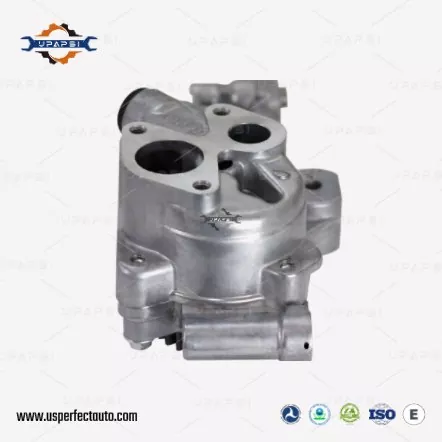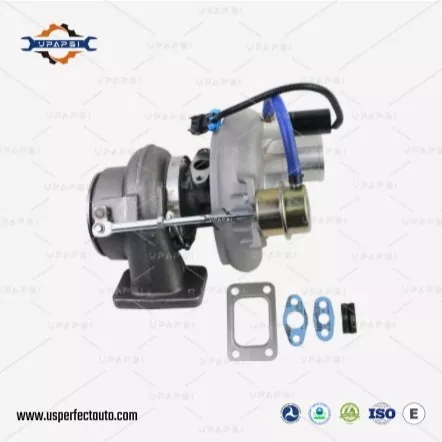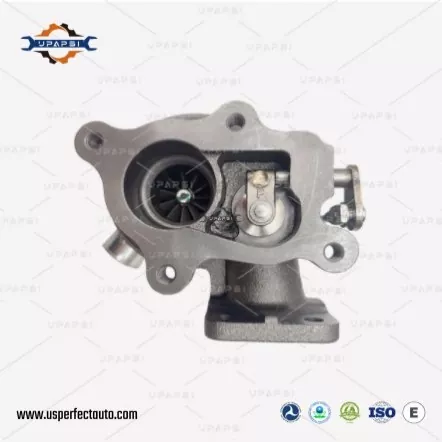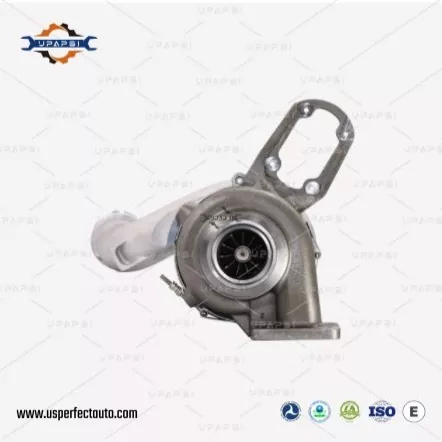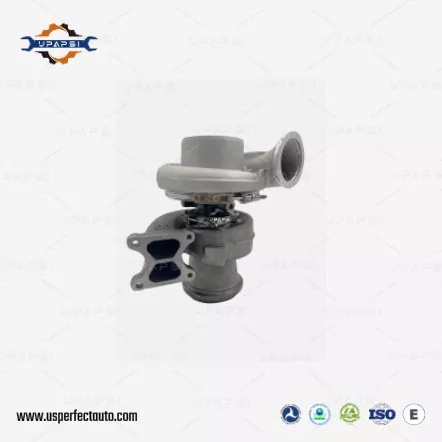

THE ULTIMATE ENCYCLOPEDIA OF TURBOCHARGER INSTALLATION
1. Introduction: Why a Turbocharger Installation Guide Is Necessary
Turbochargers have quickly become indispensable components in modern diesel and gasoline engines, from high-performance gasoline platforms to rebuilding heavy-duty engines or upgrading commercial fleets for increased efficiency; their proper installation determines engine reliability, longevity and power output.
Incorrect turbo installation remains the #1 cause of premature turbocharger failure, accounting for more than 40–55% of warranty claims in the diesel aftermarket industry. Most failures are entirely avoidable and stem from:
Oil starvation
Contaminated lubrication
Improper air filtration
Incorrect boost control
Misaligned gaskets or improper torque
Foreign object damage (FOD)
Incorrect pre-lubrication procedures
This encyclopedia-level guide has been designed to help technicians, mechanics, distributors, and end-users achieve OEM-grade installation standards, covering everything from technical principles to advanced troubleshooting.

2. Core Principles of Turbocharger Operation
Before installing, an installer must possess an in-depth knowledge of how a turbocharger operates.
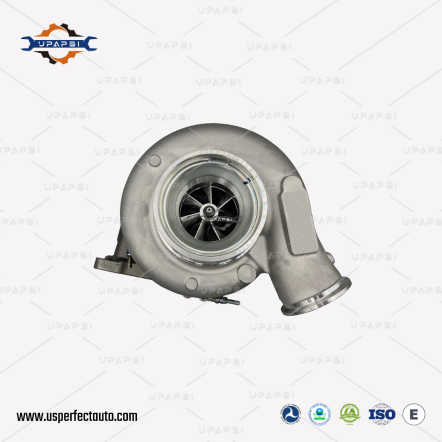
For installation, one should obtain a comprehensive understanding of its operation. mes A turbocharger includes various parts that make up its system:
Compressor Housing/Wheel (CHRA), Centre Housing Rotating Assembly (CHRA), Turbine Housing, Turbine Wheel/Turbine Wheel (T/Wheel), Actuators (pneumatic/Electric or VGT control), Oil Coolant ports/VGT Control) Oil Coolant ports/VGT Control)ot Oil& Coolant ports/Bearing system/journal or ball bearing)
2.2 The Fundamental Process
1.Exhaust gases flow from exhaust pipes around a turbine wheel to make power for VGT control by VGT control systems to spin it around Turbine Wheel.
2.2 The Fundamental Process
2.Turbine rotation drives a compressor wheel via a shaft.
3.Compressor provides compressed air into the intake manifold through its intake manifold inlet port.
4.Engine benefits include increased oxygen density and combustion improvements for better combustion; higher horsepower production; and fuel efficiency gains.
2.3 Why Proper Installation Is Vital
Its Improper installation leads to catastrophic bearing failure, overspeed damage seal blowout actuator miscalibration engine detonation turbo oil leaks as well as excessive smoke production
This guide serves to make sure none of that occurs.
3. Pre-Installation Requirements (Critical)
To ensure a successful turbocharger installation, you MUST adhere to these industry-specific prerequisites.
3.1 Clean System Intact
mes A small piece of debris can damage a turbocharger running between 120,000-250,000RPM; Checklist Items to Include when Cleaning Complete System Intact:
Clean Intake Pipelines
Clean Intercoolers
Flush Oil System
Replace Oil Filters
Inspect Exhaust Manifold and Gaskets
3.2 Mandatory Component Replacement
The following mandatory components should also be replaced:
Oil Feed Line/ Return Line
Air Filter
Gaskets
Seals
Banjo Bolts
Crush Washers
chaudiere
3.3 Verify Engine Health Conditions
A turbocharger cannot compensate for engine issues. When inspecting, carefully assess compression levels, crankcase pressure, fuel timing, EGR functionality and DPF backpressure as well as any intake manifold leaks or intake manifold leaks in order to identify possible engine issues and then use OEM-Approved fluids; minimum API CK-4 / FA-4 diesel oil requirement may apply.
Fully synthetic 5W-40/15W-40 oil designed for heavy duty performance applications.
4. Step-By-Step Turbo Installation Procedure
This professional installation sequence can be applied to diesel engines, gasoline direct injection (GDI), performance turbo upgrades and OEM replacement units with VGTs, wastegates and twin-scroll chargers.
Each step has been optimized for search engine visibility and includes turbo installation keywords naturally embedded.
Step 1 -- Prep and Safety
Whilst disconnecting battery, allow engine to cool before lifting vehicle if required, tools needed are torque wrench, feeler gauges, oil priming syringe, boost-leak tester and digital actuator calibrator (compatible with HE351VE/ HE400VG/ Garrett G3/BorgWarner E-actuators)
Step 2 - Disassemble an Old Turbocharger
To safely disassemble an old turbocharger, follow this checklist:
Weeding out intake hose, air filter and compressor piping from intercooler; disconnect intercooler connections and oil feed and drain lines, disconnect oil feed/drain lines as well as the turbine inlet bolts from downpipe bolts, disconnect vacuum/ electronic actuators as necessary, inspect manifold surface for cracks/warping as well as take note of:
Soot patterns/oil residue/Shaft play
These devices allow us to ascertain whether a failed unit was due to mechanical or lubrication issues.
Step 3 — System Cleaning (Most Important Part)
Clean EVERYTHING connected to the turbo.
Clean the oil feed line
If clogged → turbocharger will fail instantly.
Clean intercooler
Oil inside intercooler can cause:
Runaway diesel
Misfire
Smoke
Turbo overspeed
Clean air intake piping
Any metal fragments or debris will destroy the new turbo.
Step 4 — Prime the Turbocharger (Mandatory for all installations)
Use a syringe to fill CHRA with oil.
Rotate the shaft by hand.
Verify smooth rotation without binding.
This prevents oil starvation damage, the top cause of turbo death within the first 10 seconds of operation.
Step 5 — Install the New Turbocharger
Mount and align
Place turbo on exhaust manifold
Do not force fit
Align gaskets properly
Hand-tighten bolts first
Torque to specification
Use OEM torque settings.
Attach compressor piping
Check for:
Boost leaks
Hose cracks
Clamp integrity
Connect cooling and oil lines
Oil feed:
Must be brand new or professionally cleaned
Oil drain:
Must slope downward at least 35 degrees
Must have no kinks
Step 6 — Actuator Calibration
For electronic actuators (e.g., HE351VE / HE400VG / Garrett / BorgWarner VGT)
Calibration required using:
ZTSE tools
Cummins INSITE
Ford IDS
GM GDS2
Toyota TechStream
Universal actuator calibrators
Without calibration:
VGT vanes will jam
Turbo overspeed
Excessive smoke
Low boost pressure
Step 7 — First Start Procedure (Critical)
Before starting:
Disable fuel
Crank engine for 10–15 seconds
Ensure oil pressure builds
After starting:
Idle for 5 minutes
Do NOT rev engine
Check for oil leaks
Check exhaust leaks
Monitor turbo whine or abnormal vibrations
Step 8 — Initial Road Test
Follow a structured break-in:
First 10 minutes: light throttle
First 50 miles: < 50% boost
Avoid high EGT
Avoid towing
A proper break-in forms a stable oil film around the bearings.
5. Advanced Turbo Installation Considerations
5.1 Diesel engine-specific factors
EGR soot contamination
DPF backpressure
Low-speed pre-ignition (LSPI) on newer diesels
Idle vibration behavior
5.2 Gasoline performance turbo installation
AFR tuning
ECU remap requirements
Spark plug heat range changes
Knock control after boost increase
5.3 Factors affecting boost pressure setup
Wastegate rod length
Actuator preload
VNT vane calibration
MAP sensor scaling
Intercooler efficiency
6. Common Turbo Installation Errors (and How to Avoid Them)
This section is loaded with long-tail ranking phrases such as “turbo installation problems”, “turbo not boosting after installation”, “white smoke after turbo replacement” etc.
6.1 Oil starvation
Cause: dirty feed line or dry start
Fix: prime turbo & replace feed line
6.2 White smoke after installation
Cause: oil seal failure from blocked drain
Fix: ensure proper oil return angle
6.3 Turbo not boosting
Cause: boost leak, actuator misadjustment
Fix: pressure-test intake system
6.4 Whistling noise
Cause: exhaust leak or compressor housing leak
Fix: inspect gaskets & clamp torque
7. Turbocharger Maintenance After Installation
Replace oil every 3,000–5,000 miles
Inspect air intake every 2 months
Check boost hoses every 10,000 miles
Clean EGR & DPF regularly for diesel engines
Never shut engine off immediately after high load
8. Conclusion
A turbocharger is one of the most precise engineering components in an engine. Proper installation is not just a task—it is a precise, multi-stage process requiring:
Mechanical expertise
Cleanliness
Calibration
Technical knowledge
Systematic inspection
When done right, your turbocharger will deliver:
Maximum horsepower
Longer engine life
Clean combustion
Better fuel efficiency
OEM-grade performance
Related News
Leave me a message