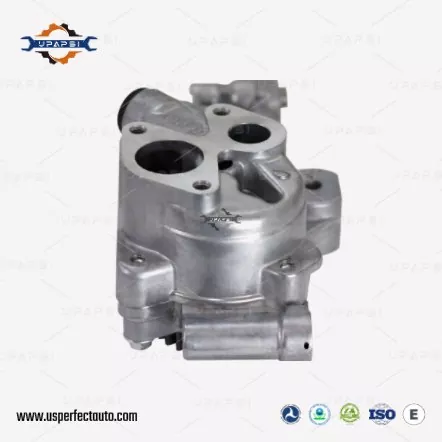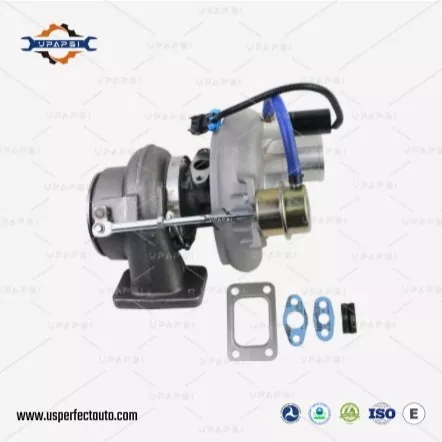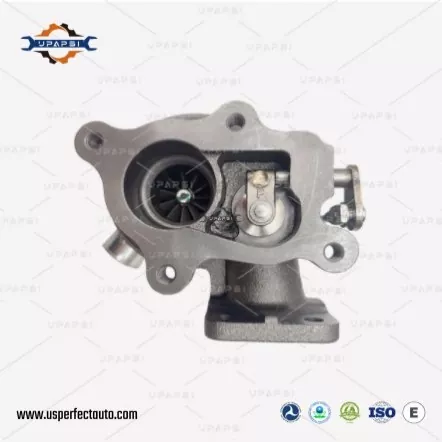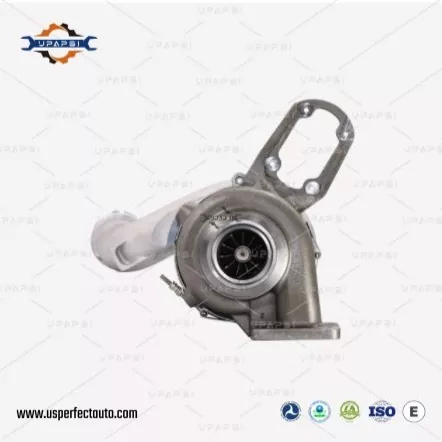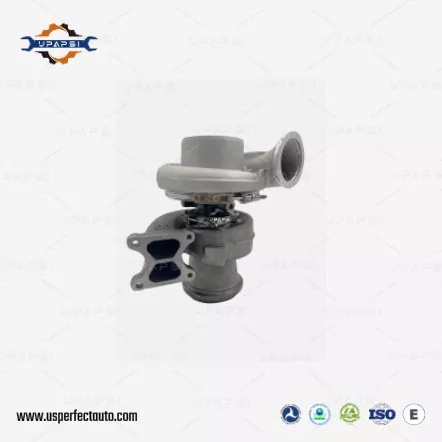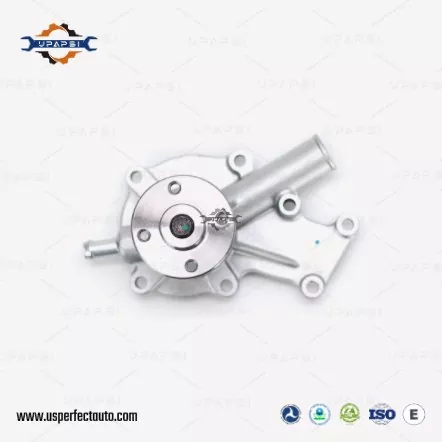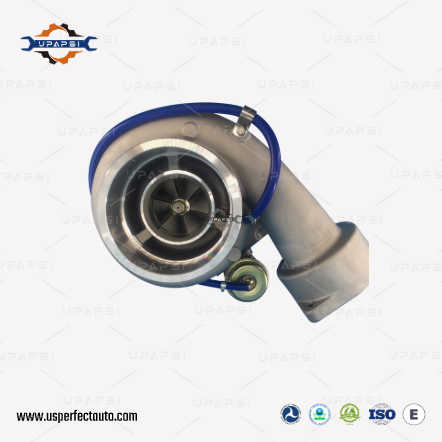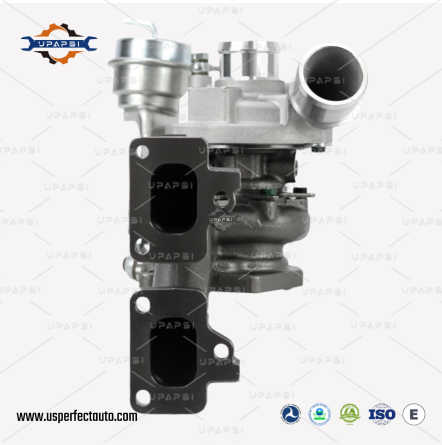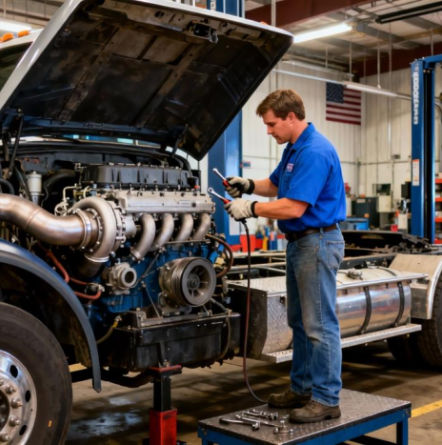

OEM vs Aftermarket Turbochargers
When replacing or upgrading a turbocharger, one question typically arises:
Are OEM or aftermarket turbos the better choice?
There's no single right choice when it comes to choosing between them; rather, your decision depends on several factors including vehicle usage, installation method and desired long-term goals. This article seeks to educate repair shops, purchasers and performance enthusiasts of their real differences versus marketing terms.
What Is an OEM Turbocharger?
An Original Equipment Manufacturer (OEM) turbocharger refers to any model manufactured and installed at the factory by its original supplier. Key characteristics of OEM turbos include being designed specifically for specific engines and applications as well as being fully validated by engine manufacturers to meet original emission and durability standards; typically used by fleet operators and warranty-sensitive customers for example.
Customers prioritizing factory specifications.
What Is an Aftermarket Turbocharger?
An aftermarket turbocharger is manufactured by an independent supplier rather than the original engine manufacturer.
Aftermarket doesn't necessarily equate to low quality; rather, this category includes everything from budget replacements to high performance upgrades. Key characteristics of aftermarket turbos include being designed to replace or improve OEM units; more flexible in availability; and often being offered more frequently.
As stock replacement or performance versions, aftermarket turbo users typically include independent repair shops and budget-minded consumers.
Customers looking for performance and upgrade-focused customers.
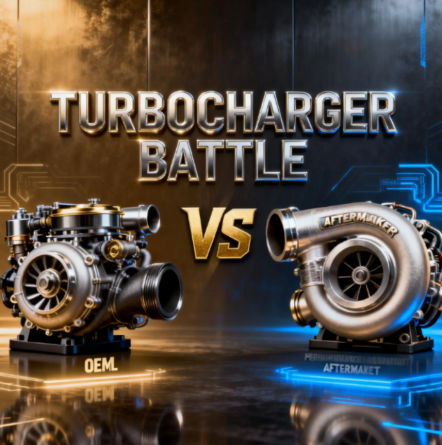
Side by Side Comparison of OEM vs Aftermarket Turbo
1. Fitment and Compatibility
Whilst OEM turbos provide guaranteed direct fit without modification needed for proper function, aftermarket options often do not. Therefore part number matching will need to be accomplished before any correct-fit solutions can be offered as options for replacing these OEM turbos with aftermarket ones.
Experienced repair shops often report minimal variations between parts sourced appropriately and those they receive, when it comes to fitting differences.
2. Performance Characteristics
Original Equipment Turbo (OEMT) was tuned to achieve balanced performance and emissions while at the same time maintaining conservative boost levels, while aftermarket turbos offer stock-equivalent or enhanced performance options with faster spool or higher airflow capacities, making them more appealing to enthusiasts than OEM turbos.
3. Durability and Service Life
An OEM turbo's long-term durability under factory conditions has long been established, while aftermarket brands can match OEM durability as far as installation quality and oil management are concerned. Ultimately, manufacturer quality determines an aftermarket turbo's durability as much as brand choice does.
4. Price and Cost Control
OEM Turbo's have higher purchase costs with stable but premium pricing structures; aftermarket turbos offer more cost-efficient prices with increased margins for repair shops and distributors alike, while procurement teams find aftermarket turbos provide greater cost flexibility.
5. Availability and Lead Time
OEM Turbo may experience backorders for older engines; limited support for discontinued models cannot always be found; while aftermarket Turbo provides better coverage and faster replacement cycles for legacy engines - giving repair shops working on older diesels an advantage.
What Option Suits Your Needs?
• For Repair Shops, aftermarket turbos provide better availability and margins while OEM turbos may provide greater warranty or emissions compliance requirements.
• When purchasing or distributing vehicles, aftermarket turbos offer flexible supply options with wider SKU coverage to reduce sourcing risk and provide greater sourcing risk reduction.
• When considering performance enthusiasts as customers (aftermarket turbos allow more tuning flexibility vs OEM turbos which limit potential), aftermarket turbos offer greater tuning freedom whilst OEM options limit performance potential.
• Fleet & Commercial Users often opt for OEM for strict compliance needs that fleet/commercial users require compliance needs as required by warranty/emission requirements or compliance needs when used by Fleet/Commercial Users as an OEM turbo is preferred due to emissions compliance requirements as stated by emissions compliance compliance needs of fleet/commercial users and compliance needs that must meet strict compliance needs in terms of warranty/emission compliance needs of warranty/emission compliance needs or compliance needs when the OEM choice.
• Affordable aftermarket quality parts with cost efficiency
Common Myths about Aftermarket Turbos
• "Aftermarket turbos don't last."
Reality: With proper installation, quality aftermarket turbos can match OEM lifespan.
• "OEM is always better."
Reality: OEM turbos may not always be superior for every use case.
• "Aftermarket means modification."
Reality: Many aftermarket turbos can serve as genuine bolt-on replacements.
Final Considerations
Selecting between OEM and aftermarket turbochargers isn't about right or wrong--it's about application, budget and expectations. The most successful repair shops and buyers understand both options equally and make their choices based on real world needs rather than brand labels alone.
Related News
Leave me a message