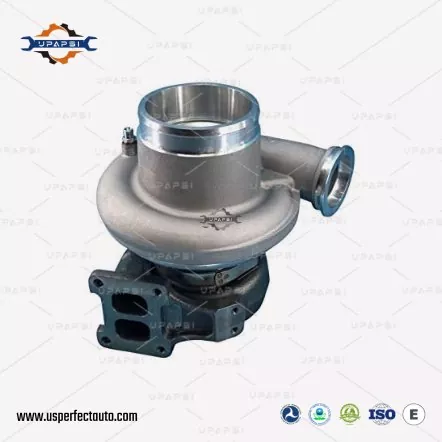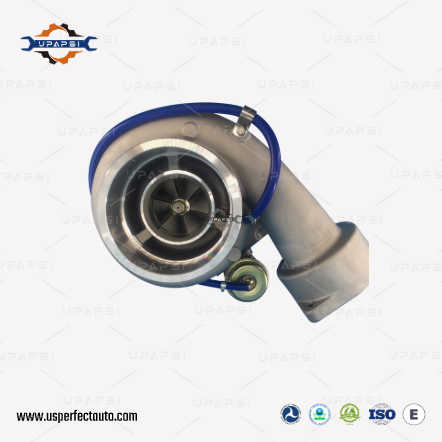

Replacing a CAT C15 Turbo at Home: My Real Experience, Problems I Faced, and How I Solved Them
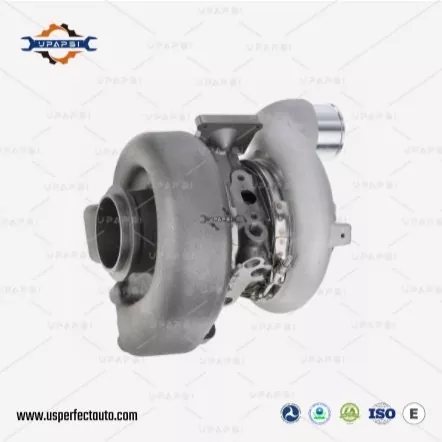
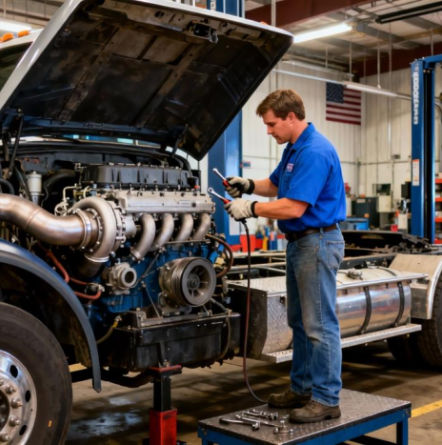
DIY CAT C15 Diesel Engine Turbo Installation: Real Experience, Mistakes & SolutionsWhen I decided to install a turbo on my CAT C15 diesel engine at home, I knew it wouldn't be easy--but I underestimated just how demanding such an endeavor could be.
The CAT C15 engine is not meant for light duty use; it was built to handle heavy loads, long hours, and high exhaust pressure. Because every detail counts in its turbo system design and installation quality matters. My experience during this journey completely transformed how I view aftermarket turbos.
This article shares my real experience, from start to finish: mistakes, challenges and solutions.
Why I Chose to Replace My CAT C15 Turbo Myself
After experiencing classic symptoms associated with CAT C15 turbo engines - such as noticeable power loss under load and slower boost response, and excessive exhaust smoke when pulling, I decided to do it myself and replace my turbo. I replaced it because the engine began showing classic symptoms associated with them: noticeable power loss under load and slower boost response and excessive exhaust smoke when pulling.
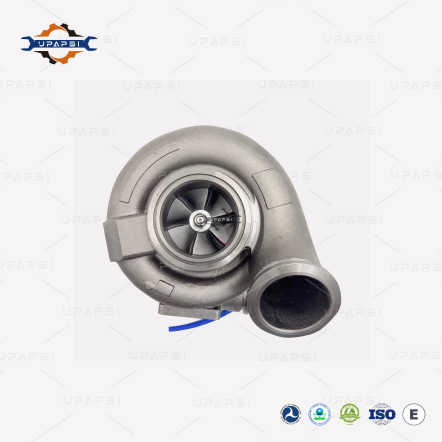
Full inspection revealed my turbo was no longer performing efficiently and to save on replacement and labor costs I decided to purchase an aftermarket CAT C15 turbo and install it myself.
Challenge #1: Access and Weight -- This Is No Passenger-Car Turbo
My first discovery when doing this job was how physically exhausting it can be. For starters, installing the CAT C15 turbocharger requires access and weight considerations for mounting it in tight, heat-soaked locations - these challenges alone made this project extremely demanding!
Even when removing surrounding components took longer than anticipated, several exhaust bolts became stuck due to heat cycles over the years and needed to be unloosened using heat cycles. I solved this by soaking all exhaust fasteners with penetrating oil overnight before using heat cycles on stubborn bolts to loosen them up.
By eliminating surrounding shields and pipes instead of forcing tools, I managed to avoid broken studs--one of the biggest problems associated with CAT engines.
Challenge #2: Oil Supply Lines--the Most Critical Part of CAT C15 Turbo Installation
I almost made a serious misstep here. At first, I intended to reuse the existing oil feed line because it "looked fine." However, since CAT C15 engines run high oil flows, any restrictions can destroy a turbo very quickly. Instead, I made several key adjustments:
I replaced it with a brand-new one whilst fully cleaning and inspecting its drain line as a preventive measure against turbo destruction.
Make sure the drain angle is fully downward with no restriction to prevent early failure of my new CAT C15 turbo.
Challenge #3: Turbo Orientation and Drain Angle
Went terribly wrong during my initial test fit of a CAT C15 turbo with gravity oil drainage; during this first trial run, however, its oil drain was slightly off-angle causing problems that wouldn't normally arise on smaller engines; these issues proved fatal on this beast of an engine. My Solution Went About as Follows: Loosened the Turbo Housing Wrecked the Center Section Re-locked everything out before verifying alignment before final torque setting -
As quickly as I learned: in terms of heavy-duty diesel engines, "almost correct" does not constitute true accuracy.
Challenge #4: Pre-Lubrication Is Key
Before beginning, I stopped and took note that starting an empty turbo on a CAT C15 turbo would certainly damage its bearings and I used the proper startup procedures (filler with clean engine oil, disabling fuel delivery, cranking until oil pressure stabilized then reconnecting fuel delivery before performing my first ignition sequence) to prelubricate before beginning. Until this step had been performed successfully, however, no start up would take place as intended and I performed one ignition sequence in sequence for every phase.
This gave me peace of mind before hearing my engine fire up for real.
Post-Installation Break-In and Test Drive
Once installed, I took time to properly break-in and start driving my new BMW 5 Series. When conducting my test drive, I kept an eye out for: Oil leaks; boost pressure stability and exhaust smoke emissions.
Initial turbo noise I attempted to minimize heavy pulls and high boost for the first 500 miles, as my EGT levels dropped significantly compared to my old unit. My turbo response also gradually improved over time.
What This CAT C15 Turbo Installation Taught Me
Overall, my experience taught me three key lessons about installing and servicing the C15 turbo:
1. Cat C15 failures tend to be installation related rather than product related
2. Oil supply and drain design matter more than brand names
3. A high-quality aftermarket CAT C15 turbo can perform just like its OEM equivalent when installed properly
Too often people fault aftermarket turbos when failure results from poor installation practices rather than any inherent defect with them.
DIY Cat C15 Turbo Installation: Is it Worth it?
Personally, the answer to that question was in the affirmative; but only if approached as a professional job.
A turbo is more than a component to be bolted on--it forms part of an intricate system involving oil flow, exhaust flow, boost control and engine health issues that must all come together seamlessly for an optimal installation process. Doing it myself enabled me to gain: An in-depth knowledge of CAT C15 systems Confidence in long-haul reliability by virtue of doing it myself:
Increased performance under load conditions
Final Thoughts: CAT C15 Turbo Performance Is Built, Not Bought
After finishing this installation, one thing became abundantly clear to me:
Turbo performance on a CAT C15 engine isn't determined solely by its turbo. Instead, its success depends on both components working together harmoniously as part of an integrated system.
By installing an appropriate aftermarket turbo, installing it correctly, and performing an extensive break-in period, CAT C15 engines can deliver strong, dependable performance for hundreds of thousands of miles.
Related News
Leave me a message