
US Perfect Auto | Holiday Turbocharger Maintenance Guide
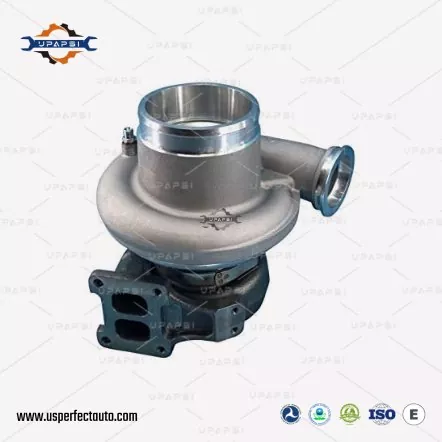
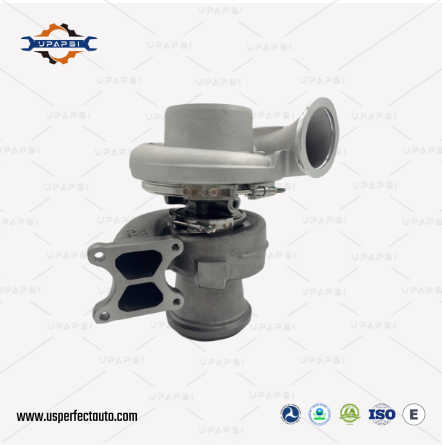
As winter sets in and holiday travel increases, your vehicle's turbocharger faces tougher conditions than ever. Sub-zero temperatures, long distance driving, and increased engine load all necessitate proper care if it is to remain operational throughout this season. At US Perfect Auto, our goal is to assist in keeping your turbocharger performing reliably for as long as possible!
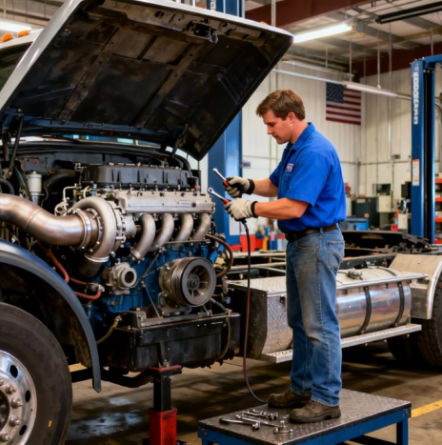
1. Determine the Cause Before Replacing the Turbo
In most cases, turbocharger failure isn't caused by issues within its own component - rather other problems within the system could be contributing factors. Before installing a new turbo, always run a comprehensive diagnostic to test for low oil pressure; contamination or sludge; air intake blockages; sensor failures; exhaust restrictions or restrictions and excessive carbon build-up as potential culprits.
Addressing these issues first will ensure your new turbo will operate at peak performance and prevent future failures.
2. Clean and Service the Entire Oil System
Cold weather thickens engine oil, making lubrication even more critical for turbocharger performance. To protect it: Change engine oil with fresh oil from your supplier; install new filter and clean/replace feed and return lines regularly
Before initiating first start-up, ensure the turbo has been primed properly with instantaneous lubrication by priming it with oil to ensure instant lubrication and prevent dry starts - one of the primary causes of premature turbo wear.
3. Adopt Prudent Winter Driving Habits
Driving habits have an enormous effect on turbocharger life, particularly during winter: Avoid hard acceleration when your engine is cold; let it idle 1-2 minutes before shutting it off; reduce short-distance cold starts
Diesel vehicles must maintain appropriate exhaust temperatures to facilitate DPF regeneration and to prolong turbocharger lifespan. A few simple practices could dramatically lengthen turbocharger life.
4. Conduct a System Inspection
Low temperatures can cause seals, wastegates, and boost system components to harden or become stuck in their tracks, as well as boost hoses to crack or loosen over time. Before holiday travel begins, inspect these areas: Turbo oil seals Wastegate function Boost hoses and intercooler connections Exhaust leaks
Intake system integrity.
An annual inspection can help avoid major roadside failures.
5. Conduct Post-Installation and Break-In Testing
After installing a new turbocharger:
1. Allow engine to idle for 3-5 minutes
2. Check for oil or air leaks
3. Test Drive Under Light Load
4. Verify No Abnormal Smoke Or Noises
5. Scan ECU Fault Codes
6. Perform a follow-up inspection every 200-300 miles
Regular testing helps ensure both long-term reliability and optimal performance of your car.
Conclusion: Maintaining a Healthy Turbocharger Makes Holiday Driving Safer
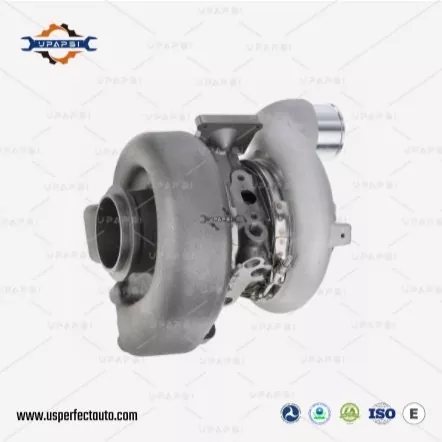
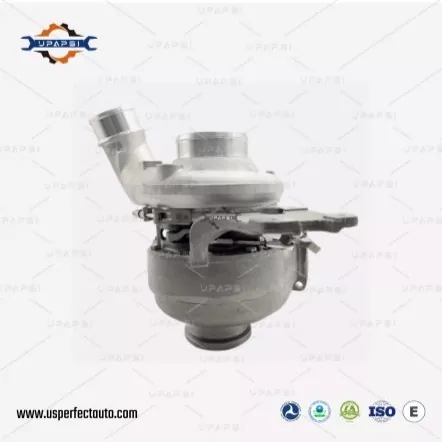
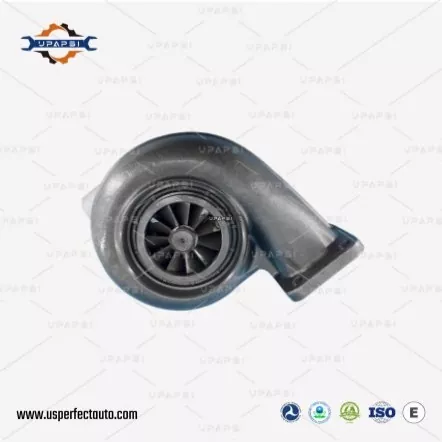
Winter and holiday travel put additional strain on engines than other seasons, which makes proper turbo maintenance more important than ever to prevent breakdowns, extend durability and provide peace of mind during this busiest travel period of the year. At US Perfect Auto we provide high-quality OEM and aftermarket turbochargers along with fast U.S. fulfillment, technical support and diagnostic guidance services as part of our offering to our customers.
Stable supply for workshops, distributors, and wholesalers Whatever your role - driver, technician or dealer - we are here to ensure the optimal operation of your turbocharger.
Related News
Leave me a message