
When Does a Truck Water Pump Need Replacement?
Practical and Professional Advice for Diesel Engines
A water pump in their truck may not be at the forefront of most drivers' minds until something goes wrong with it.
As with other components, such as filters or belts, water pumps typically display subtle warning signs before their failure occurs. Understanding when it is necessary to replace a truck water pump is critical - failure could quickly lead to overheating, head gasket damage or complete engine failure without early intervention.
This article details how water pumps operate, why they fail, and when to make the decision of replacement based on mechanical principles.
What Are the Functions of a Truck Water Pump?
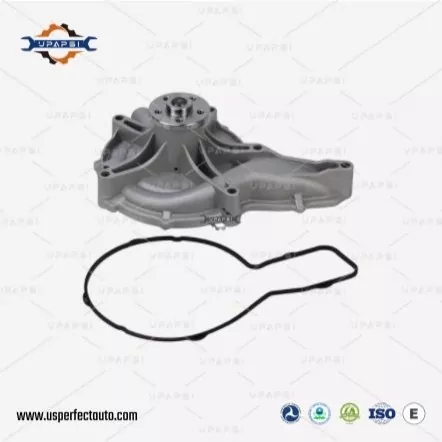
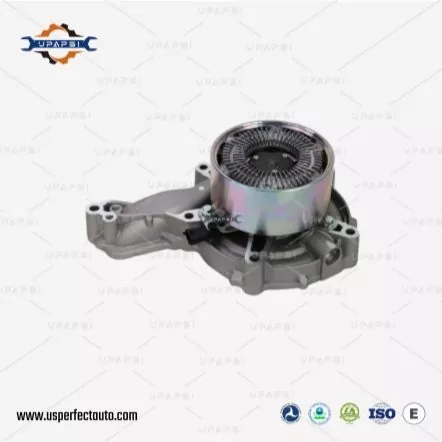
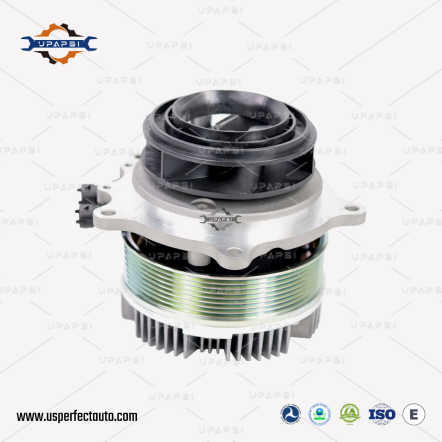
The water pump is at the heart of any engine's cooling system. Its primary role is circulating coolant from its reservoir through engine block and cylinder head before returning it to its source - in diesel trucks this process must handle extreme thermal loads, long operating hours, and high cylinder pressures without fail.
Why Water Pumps Fail With Time
Most water pumps don't fail abruptly without cause; their failure usually stems from gradual wear caused by factors like: B, the continuous bearing load from their drive belt; C and the drive belt can all contribute to failure over time, with B being responsible for most cases as the main contributor to failure;
Heavy-duty diesel trucks experience increased wear due to idle time and heavy loads that accelerate this wear process. Contamination or incorrect coolant chemistry; seal degradation due to heat cycles; cavitation damage within the pump housing are among the many potential sources. Heavy-duty trucks experience additional wear from idle time and high load levels which accelerate this wear process further.
1. Coolant Leaks from the Front of the Engine
An early indicator that your truck water pump may require replacement is coolant seeping from its weep hole.
This small opening is intended to release coolant when an internal seal begins to fail, so if coolant residue or stains begin appearing around the pump housing it should no longer be considered optional - replacement may already be overdue.
2. Engine Overheating Under Load
A partially failed water pump may still provide sufficient cooling capacity when idle but may collapse when put under load. If engine temperature increases during towing, hill climbing, or highway driving--while remaining normal when driven at lower speeds--reduced pump efficiency is often the culprit.
3. Unusual Noises in the Front Cover Area
A worn water pump bearing can produce grinding, whining or rattling noises which usually change with engine speed - these sounds should never be ignored as soon as bearing failure begins, the pump could seize up and throw its drive belt without warning!
4. Coolant Circulation Issues
Sometimes even though the coolant is clean and the radiator unobstructed, overheating still persists.
This can occur if the impeller inside of a water pump erodes, cracks or slips on its shaft, decreasing coolant flow despite appearing fully functional from the outside.
Mileage and Service Life: Is There a Fixed Interval?
Water pumps do not follow a fixed replacement interval like oil changes do; their lifespan in heavy-duty trucks may depend heavily on factors like engine design, coolant maintenance practices, operating environment as well as belt tensioning and alignment issues.
Some water pumps can last over 500,000 miles while others fail much sooner due to poor coolant quality or bearing stress. Mileage alone should never be the deciding factor.
Replace or Repair: Which Option Makes More Sense?
Water pumps were never intended to be repaired on-site; when their internal seals or bearings fail, replacement is the only reliable solution - any attempts at temporary fixes typically lead to repeated failures and increased labor costs.
Why Ignoring a Failing Water Pump Is So Risky
A failed water pump rarely causes damage by itself. Instead, its loss of coolant circulation can lead to further complications including: Cylinder head warping
Head gasket failure Cracked cylinder heads
Turbocharger overheating Engine derate or shutdown.
An initial repair that initially seems reasonable can quickly escalate into an expensive engine rebuild if left unattended.
What to Check Before Replacing a Water Pump
Before replacing, an accurate diagnosis should include a visual inspection for leaks or residue, bearing noise testing, cooling system pressure test and tension check, belt condition and tension checking, coolant quality analysis and contamination inspection, as well as coolant quality/contamination assessments.
As this will ensure the water pump is truly the source of any cooling system issues, not simply a symptom of it.
Conclusion - Final Thoughts
Truck water pumps tend not to fail suddenly or silently; rather, they deteriorate gradually over time. Knowing when it needs replacing requires paying attention to patterns rather than waiting until everything breaks completely; early replacement saves both engine performance and money on costly repairs down the line.
Related News
Leave me a message