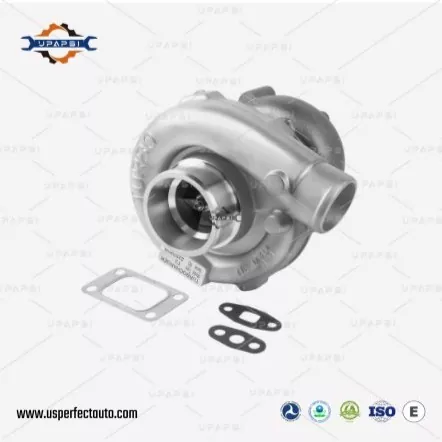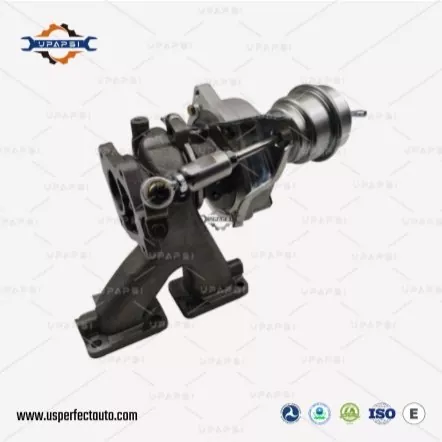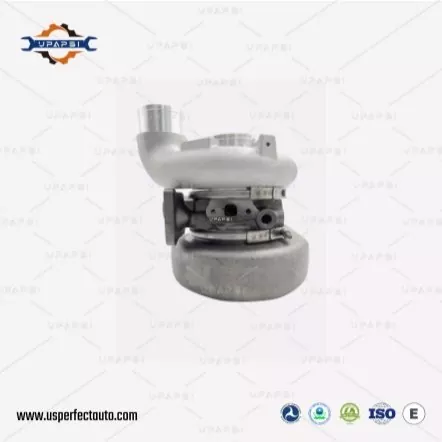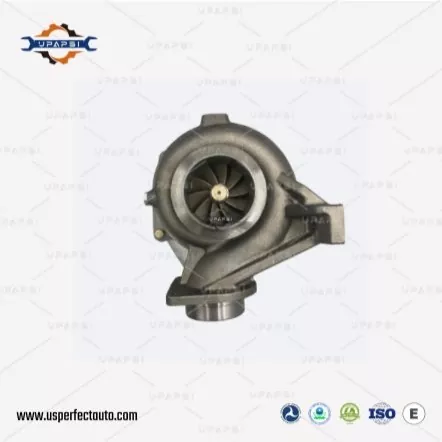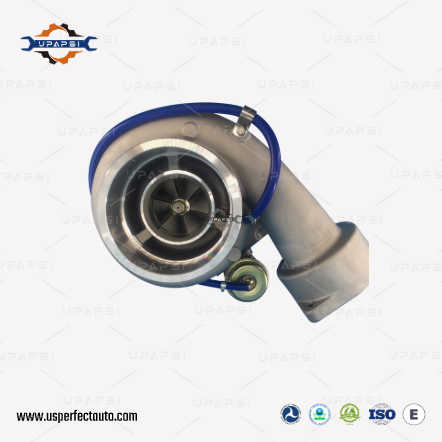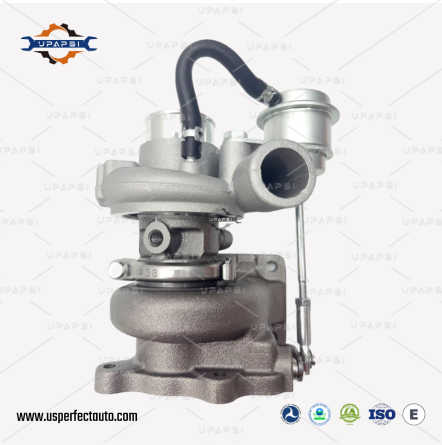

When Does a Turbocharger Need Replacement?
Lessons Learned from Real Diesel Repairs
The first time a customer asked me whether their turbocharger needed to be replaced, I answered too quickly.
The engine had lost power, boost pressure was inconsistent, and there was oil residue around the intake. Based on those symptoms alone, I assumed the turbo was failing.
I was wrong.
After tearing it down, the turbo itself was still mechanically sound. The real issue turned out to be a clogged oil feed line and a boost leak downstream.
That job taught me an important lesson:
Not every turbo problem means the turbocharger needs to be replaced.
This guide is not about theory or marketing claims.
It is about how I learned—through mistakes—to decide when a turbocharger truly needs replacement, and when it doesn’t.
When a Turbocharger Is Suspected First
In diesel engines, the turbocharger often becomes the first suspect when performance drops.
Loss of power, slow acceleration, excessive smoke, or abnormal noises all point people toward the turbo.
In many cases, that suspicion is understandable.
A turbocharger works under extreme heat, high rotational speed, and constant pressure changes. Over time, wear is inevitable.
But experience taught me that symptoms alone are never enough to make the decision.
The question is not:
“Is there a turbo-related symptom?”
The real question is:
“Is the turbocharger itself actually failing?”
Step One: Separating Turbo Symptoms from Turbo Failures
One of the biggest mistakes I made early on was confusing system-level issues with turbocharger failure.
A diesel engine is an integrated system.
Fuel delivery, air intake, exhaust flow, lubrication, and cooling all affect how the turbo performs.
I’ve seen turbochargers replaced because of:
Boost leaks from cracked hoses
Faulty actuators or sensors
Restricted exhaust systems
Poor oil quality or oil starvation
In those cases, replacing the turbo solved nothing.
Before condemning a turbocharger, I learned to ask one question first:
What evidence shows the turbo itself is damaged?
Oil Leaks: A Warning, Not a Verdict
Oil around the turbocharger immediately raises concern.
At first, I treated any oil leak as a clear sign of turbo failure.
That approach cost time and money.
Over time, I learned to differentiate between:
External oil leaks caused by seals, fittings, or drain restrictions
Internal oil leakage caused by bearing wear or shaft damage
A turbocharger relies on proper oil pressure and unrestricted oil drainage.
If the oil drain line is partially blocked, oil will back up into the turbo housing, even if the turbo is healthy.
Oil presence alone does not mean replacement is necessary.
The cause always matters more than the symptom.
Shaft Play: Understanding What Is Normal and What Is Not
Checking shaft play is one of the most common turbo inspections.
Early on, I assumed any noticeable shaft movement meant failure.
That assumption was incorrect.
A certain amount of radial play is normal in journal-bearing turbochargers, especially when dry and not under oil pressure.
What actually matters is:
Excessive axial play
Contact between compressor wheel and housing
Uneven or damaged blade edges
If the shaft allows the wheels to touch the housing, replacement is unavoidable.
If not, further diagnosis is required before making that call.
Noise: What the Turbo Is Trying to Tell You
Unusual noises often trigger panic.
Whining, grinding, or siren-like sounds usually get blamed on the turbo immediately.
Experience taught me to slow down and listen carefully.
Some noises come from:
Exhaust leaks near the turbo flange
Cracked manifolds
Loose clamps or charge air piping
True turbocharger noise usually has a consistent relationship with boost and RPM.
When noise changes sharply under load and is paired with performance loss, the turbo deserves closer inspection.
Smoke and Boost Loss: Looking Beyond the Obvious
Excessive smoke and low boost are classic turbo-related complaints.
But they are not exclusive to turbo failure.
I’ve traced boost loss to:
Sticking VGT actuators
Carbon buildup
Faulty control solenoids
Incorrect sensor readings
Replacing a turbo without addressing these root causes often leads to repeat failures.
A failing turbo should show mechanical evidence, not just electronic or airflow symptoms.
Heat Damage and Overspeed: The Point of No Return
Some turbochargers clearly cross the line where replacement is unavoidable.
I’ve seen turbos with:
Blue or purple discoloration from excessive heat
Cracked turbine housings
Melted compressor wheels
Bent or fractured shafts
These failures usually result from overspeed, oil starvation, or extreme exhaust temperatures.
When physical damage is present, no amount of adjustment or cleaning will restore reliability.
At that point, replacement is the only responsible choice.
The Role of Oil Analysis and Maintenance History
One thing I underestimated early on was maintenance history.
Dirty oil, extended drain intervals, and incorrect oil specifications silently destroy turbochargers.
When I evaluate a suspected turbo failure now, I always ask:
How often was the oil changed?
Was the correct oil grade used?
Were oil lines ever replaced or cleaned?
Sometimes the turbo failed not because it was poorly made, but because it was never given a chance to survive.
When Replacement Is the Right Decision
After years of repairs, my criteria became much clearer.
I replace a turbocharger only when:
There is confirmed internal mechanical damage
Shaft or wheel contact has occurred
Housing cracks are present
Bearing failure is verified
Heat or overspeed damage is visible
Anything less than that deserves further investigation.
Replacing a turbo should be the conclusion, not the starting point.
Final Thoughts
Learning when a turbocharger truly needs replacement took time—and mistakes.
What I know now is simple:
A turbocharger rarely fails alone.
Most failures are part of a bigger story involving oil, heat, airflow, and maintenance.
The best repair decisions come from understanding that story, not rushing to replace parts.
Before You Decide to Replace a Turbocharger, Ask Yourself:
Do I have physical evidence of turbo damage?
Have I ruled out oil, air, and exhaust system issues?
Is this a root cause, or just a symptom?
Will replacing the turbo alone solve the real problem?
If you can answer these questions with confidence, the decision usually becomes clear.
Related News
Leave me a message