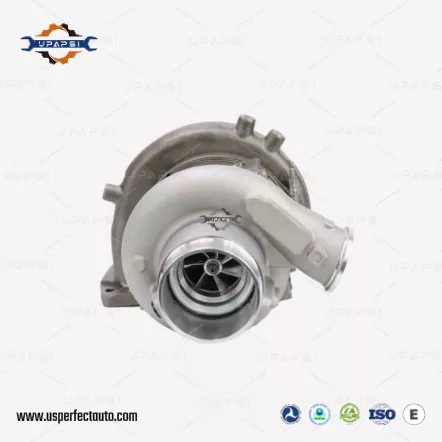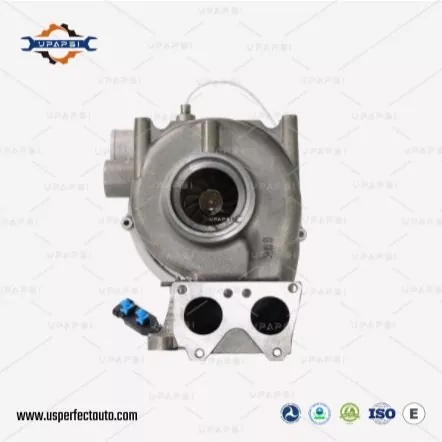

How to Choose the Right Turbocharger for Cummins Engines
A Practical Guide for Repair Shops, Buyers, and Diesel Engine OwnersChoosing the right turbocharger for a Cummins engine is more than just replacing a component. It directly affects engine performance, reliability, and long-term operating cost.
Cummins engines are widely used in heavy-duty trucks, construction equipment, agricultural machinery, power generation, and performance applications. Each of these use cases places very different demands on the turbocharger. A poor turbo match—even a brand-new one—can result in weak power delivery, high exhaust gas temperatures, increased fuel consumption, or premature failure.
This guide offers practical, engineering advice that will assist repair shops, procurement teams, fleet managers, and diesel users when selecting turbochargers for Cummins engines.
Why Turbocharger Selection Matters for Cummins Engines
In a Cummins diesel engine, the turbocharger is not an accessory—it is a core part of the air and exhaust system.
A properly selected turbocharger helps to:
·Improve airflow and combustion efficiency
·Control exhaust gas temperature (EGT)
·Balance power output and fuel economy
·Maintain durability under sustained load
A mismatched turbo, on the other hand, often causes drivability issues in certain RPM ranges and can shorten engine life over time.
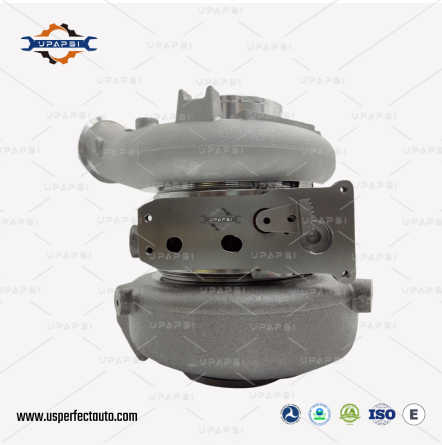
Begin By Determining Your Cummins Engine Platform
Before purchasing any turbocharger, the first and foremost step should be identifying its exact engine model and configuration.
Common Cummins engine families include:
·ISX / X15
·N14
·ISB / 6.7L
·ISC / ISL
·QSB / QSC
·KTA / QSK industrial engines
Even within the same engine family, turbochargers may vary depending on:
·Horsepower rating
·Emissions standard
·Fixed geometry vs variable geometry (VGT)
·Single or compound turbo setup
In real-world practice, engine family alone is not enough. Always verify the engine serial number or OEM part number.
OEM Turbochargers vs Aftermarket Turbochargers
OEM Turbochargers
OEM turbochargers are typically supplied by manufacturers such as Holset, BorgWarner, or Garrett and are built to Cummins’ original specifications.
Advantages:
·Guaranteed fitment
·Proven emissions compatibility
·Validated long-term durability
Limitations:
·Higher cost
·Limited availability for older engines
·Longer lead times in some markets
Aftermarket Turbochargers
High-quality aftermarket turbochargers play an important role in the replacement and repair market.
Advantages:
·Better cost efficiency
·Coverage for discontinued or legacy Cummins engines
·More flexible availability
Key point:
Not all aftermarket turbos are created equal. Supplier quality and technical support matter.
Fixed Geometry vs Variable Geometry Turbochargers (VGT)
Fixed Geometry Turbochargers (FGT)
Commonly found on older Cummins engines such as the N14 and early ISX models.
Characteristics:
·Simple and robust design
·Lower cost
·Well-suited for steady, continuous loads
Typical applications:
·Long-haul trucking
·Industrial engines
·Agricultural equipment
Variable Geometry Turbochargers (VGT)
Widely used on modern Cummins platforms such as ISX15, X15, and ISB 6.7.
Characteristics:
·Improved low-speed boost response
·Better emissions control
·Greater adaptability across duty cycles
Important consideration:
VGT systems require clean oil, proper calibration, and precise installation.
Match the Turbo to the Application, Not Just the Engine
One of the most common mistakes is selecting a turbo based only on engine compatibility.
In reality, how the engine is used often matters more than the engine model itself.
Different applications place different demands on the turbocharger:
·Long-haul trucks prioritize efficiency and durability
·Vocational trucks require low-speed torque and responsiveness
·Agricultural machinery operates under long, moderate loads
·Generator sets demand stability at constant RPM
·Performance builds focus on output, sometimes at the expense of longevity
The right turbocharger should support the actual operating conditions, not just bolt onto the engine.
Turbo Sizing: Balancing Airflow, Boost, and Backpressure
Turbo selection is always a balance between:
·Airflow capacity
·Boost pressure
·Turbine efficiency
·Exhaust backpressure
An oversized turbo may lead to:
·Excessive turbo lag
·Weak low-end performance
An undersized turbo may cause:
·High exhaust temperatures
·Turbo overspeed
·Reduced engine lifespan
From practical experience:
The “right size” turbo almost always outperforms the “bigger” turbo in real-world use.Oil Supply and Drain: A Critical but Often Overlooked Factor
Many Cummins turbo failures aren't due to issues within the turbocharger itself; rather, these issues come from within its oil system.
Before installing a new turbo, always verify:
·Proper oil supply pressure
·Correct oil drain routing and angle
·Absence of sludge or contamination
This step is especially important for aftermarket and VGT turbochargers.
Emissions Systems and ECU Compatibility
Modern Cummins engines are tightly integrated with emissions systems.
Turbocharger selection must consider:
·EGR system interaction
·DPF regeneration behavior
·ECU calibration strategy
An incompatible turbo can trigger fault codes, cause derates, or disrupt emissions performance.
New, Remanufactured, or Rebuilt TurbochargersNew turbochargers
·Highest reliability
·Highest cost
Remanufactured turbochargers
·Balanced cost and reliability
·Quality depends on reman standards
Rebuilt turbochargers
·Suitable for older engines
·Quality varies significantly by rebuilderCommon Mistakes When Choosing a Cummins Turbocharger·Choosing based on price alone
·Ignoring engine serial numbers
·Overlooking oil system condition
·Using performance turbos in commercial-duty engines
·Treating all aftermarket turbos as equal
Final Thoughts
When selecting the ideal turbocharger for a Cummins engine, it doesn't have to be either the most costly or aggressive model; rather, it should match up perfectly with its engine, application, and operating environment.
Understanding engine platform, duty cycle and system compatibility leads to improved performance, reduced risks and prolonged service life.
Before finalizing your turbocharger choice, make sure you have confirmed:
·The exact Cummins engine model and serial number
·The OEM part number or a verified replacement reference
·The real-world application and duty cycle
·Fixed geometry or VGT configuration
·Oil supply and drain system condition
·Emissions system and ECU compatibility
If these points are clearly addressed, your turbo selection is technically sound and built for long-term reliability.
Related News
Leave me a message